The Committee's Line: Fencing an Allotment Without Closing the Gate on Community
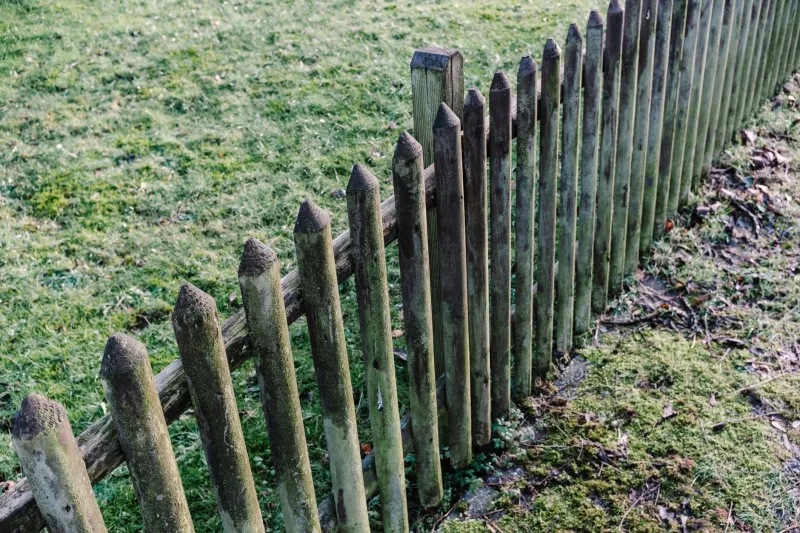
Allotment sites are unusual boundaries. A single fence line may serve dozens of tenants, a landlord, neighbouring gardens and a public footpath, yet it must still feel like a place people want to enter. The practical answer is not to build a fortress. It is to define what the perimeter is for, what each plot boundary should do, and who is responsible for the shared parts.
Perimeter first, plots second
A committee should begin by separating two jobs that are often confused. The perimeter fence protects the site as a whole: it marks the edge, discourages casual trespass, and may need to reduce rabbit or deer pressure. Plot boundaries do something different. They divide cultivation areas, define paths and help tenants understand where one holding ends and the next begins. They are not usually security fences, and they should not be strengthened until the site begins to resemble a compound.
This distinction matters for cost and for atmosphere. A robust shared perimeter, sensibly specified, can be maintained as common infrastructure. Plot boundaries can remain light: posts and wire, low timber edging, or agreed hedges where the tenancy allows. If every tenant builds a defensive barrier around a half-plot, the site gains little protection and loses much of its open, working character.
What the perimeter is actually keeping out
Rabbit pressure is the most common reason allotment associations consider a perimeter fence. Rabbits can pass through gaps that look trivial, and they are capable of digging under a fence line where soil is soft. A practical rabbit specification normally combines a mesh of suitable height with a buried or returned skirt at the base, fixed securely and checked where the ground undulates. The exact height should reflect local pressure and the fence's visual impact, but the principle is consistency: a single gap undoes the work.
Deer are more site-specific. Where an allotment adjoins woodland, parkland or open countryside, browsing can be significant, and a taller mesh fence may be justified. In many UK allotments, however, rabbits and ground-level gaps are the greater issue. The committee should record what has actually been damaged, where, and over which seasons, rather than specifying for the most severe possibility by default.
Wind is the other quiet influence. Open allotment sites expose fences to steady load, and a solid closeboard perimeter can create turbulence on its lee side while presenting a large surface to the wind. A wind-permeable mesh fence, properly tensioned on sound posts, is often the more appropriate shared boundary. It allows air through, reduces sail effect and keeps the site visible. Where shelter is the aim, it is usually better achieved in planned strips or hedges than by making the whole perimeter solid.
Gates are a governance issue as much as a hardware issue
A shared gate has to work for people carrying tools, wheelbarrows, compost bags and produce, and for the machinery that maintains the site. A pedestrian gate with a clear opening of about a metre is a reasonable starting point; vehicle access should be sized to the largest regular user, whether that is a mower, a trailer or a delivery vehicle. Self-closing hinges, a suitable latch and a threshold that does not catch wheels matter more than ornamental detail.
Key control is where many associations come unstuck. The committee should decide who holds keys or codes, keep a written register, and recover access when a tenancy ends. Codes shared in messaging groups cease to be controlled access. If the site uses a padlock, a single master-key arrangement with the landlord or council may be preferable to a collection of private locks on the same chain. The aim is not suspicion of tenants; it is a simple record that allows the committee to act when a key is lost or a plot changes hands.
Gates should also remain welcoming. Barbed wire at pedestrian height, anti-climb spikes on a community entrance and opaque panels that remove sightlines all make an allotment feel less safe, not more. Clear visibility through the gate helps tenants arrive in the evening and helps neighbours keep an eye on the site.
Agreeing materials and maintenance across the committee
Shared fencing needs a written specification before quotes are sought. That specification should cover post material and treatment, mesh gauge and coating, base details, gate furniture and the expected lifespan. It should also state who is responsible for what: the association for the perimeter, the tenant for plot boundaries, the landlord for boundary walls or hedges where the lease says so. A short responsibility matrix is more useful than a long discussion conducted from memory.
Maintenance should be funded deliberately. A small annual sinking fund for shared fencing prevents the familiar situation in which repairs are postponed until a section fails. Two inspections a year, one after winter and one before the growing season, will catch loose posts, lifted mesh and gate hinges before they become expensive. Findings should be minuted, with photographs, so that successive committees inherit a record rather than a rumour.
Before work begins, check the tenancy agreement or lease. Some sites require landlord consent for boundary works; conservation areas, hedgerows and neighbouring land may add their own considerations. A brief conversation with the council or landlord at the planning stage is rarely wasted.
The strongest allotment boundary is not the tallest one. It is the one the association understands, can afford to maintain and has agreed to keep in good order. Keep the perimeter purposeful, keep the plots lightly defined, and keep the gate open to the people who make the site work.