The Corner Plot's Two Audiences: A Balanced Boundary for Street and Garden
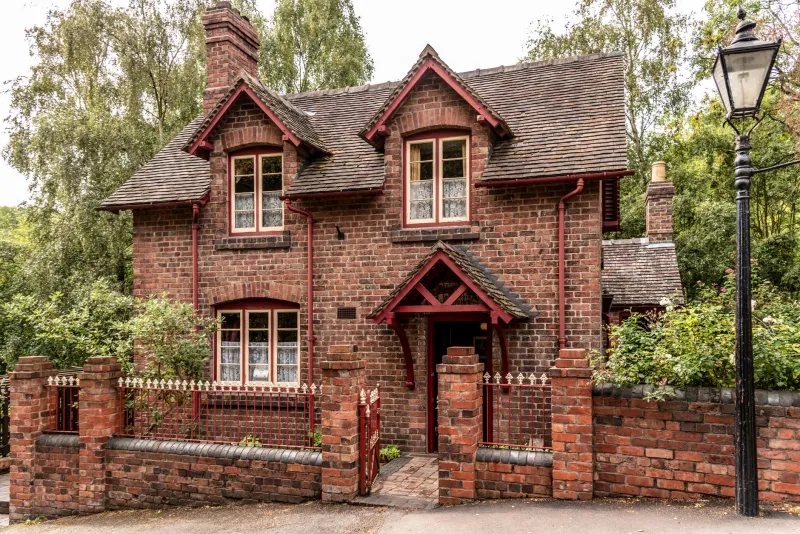
A corner plot asks a fence to do two jobs at once. On the garden side, the boundary should provide privacy, shelter and a sense of enclosure. On the street side, the same property is read by passers-by, visitors and the local planning authority as part of the public realm. A single tall panel run may solve the first task while making the second feel defensive. The aim is not to build two unrelated fences, but to design one boundary with two distinct audiences in mind.
At Crescent Fencing, the most successful corner schemes tend to begin with a simple survey of how the boundary is seen and used, rather than with a preferred panel style. The practical questions are straightforward: where does the public footpath run, which windows overlook the fence line, where do vehicles turn, and which side of the plot needs the greatest privacy? Answering those questions first prevents a corner plot from becoming a walled compound by accident.
Map the public edge and the private edge
Start by walking the boundary as a stranger would. Approach from both streets, pause at the corner, and note what the fence reveals and conceals. The street-facing edge usually benefits from a lower, more open treatment: a wall or railing at the front, planting behind it, and a clear view of the gate. The garden edge can carry greater height and solidity because it is less visible and more closely tied to private use.
This is not a rigid rule. A busy junction may justify more screening than a quiet cul-de-sac, and a corner plot beside a school or shop will have different sightline considerations from one in a residential close. The point is to decide where privacy is genuinely needed and where openness does useful work. A boundary that is low at the approach and gradually gains height towards the rear often reads as considerate rather than imposing.
Treat height as a gradient
Height is the most visible decision on a corner plot, and it is rarely improved by a single figure applied to every run. A stepped approach can preserve light, maintain views through the corner and reduce the sense of a fortress. A low frontage wall, a mid-height side section and a taller rear fence may look inconsistent on paper, but in practice the transition can be smooth if the changes occur at posts, pillars or planting beds.
In England, householder permitted development for fences, walls and gates generally allows a maximum height of two metres, but a lower limit of one metre applies where the boundary is adjacent to a highway, including a footpath or road. Corner plots can be affected on more than one side, so it is worth checking the position carefully before ordering materials. Conservation areas, listed buildings, covenants and site-specific planning conditions may impose further limits. A local planning authority enquiry is sensible where there is any doubt.
Choose materials that read as one boundary
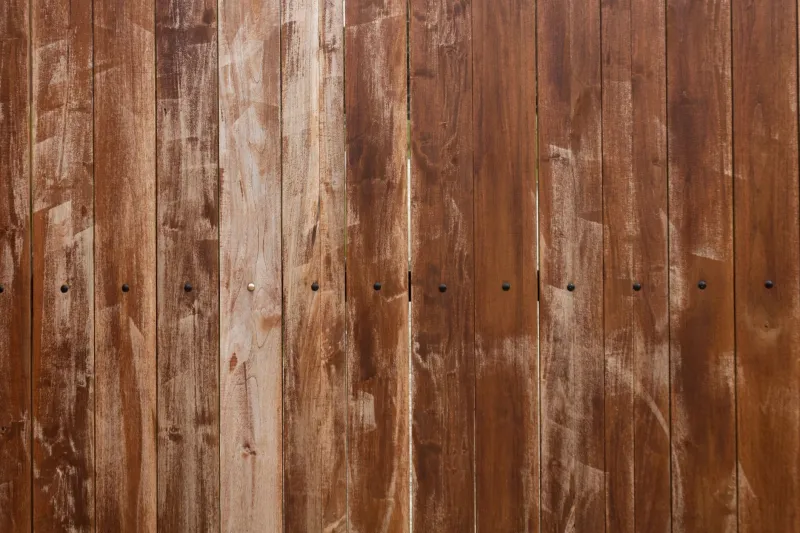
Coherence does not require identical panels everywhere. A corner boundary can combine a brick plinth at the front, vertical timber boards along the side and a hedge or trellis at the rear, provided the palette and proportions are related. Repeated post centres, matching post caps and a consistent stain or paint colour do more for visual unity than a single material used badly.
Solid closeboard panels have their place where privacy is the priority, but they can feel heavy on a street frontage. Slatted fencing, hit-and-miss boards, railings with planting behind and low walls with infill panels all allow some light and air through the boundary. On the garden side, a more solid screen may be appropriate, particularly where the fence faces a road, a neighbouring window or a public path. The transition between open and closed sections should be deliberate, not accidental.
Place gates where they belong
A corner plot often has more than one potential access point, and gate position affects both security and the look of the boundary. The main pedestrian gate should be visible from the street, well lit and easy to use. A side or rear gate may be necessary for maintenance, bins or garden access, but it should not become an unexplained gap in an otherwise continuous line.
Gate height and style should follow the fence rather than compete with it. A tall, solid gate in a low frontage wall looks out of place, just as a delicate garden gate in a security fence looks under-specified. Hinges, posts and thresholds matter as much as the leaf itself: a gate that sags or catches within a year undermines the whole boundary. If the gate is on a corner, check that it does not obstruct sightlines for drivers or pedestrians.
Keep light and planting in the design
A corner boundary can easily lose more light than expected, particularly where two tall runs meet. Before specifying a solid fence, consider the path of the sun and the rooms that rely on the front or side aspect. Lower sections, open slats and climbing plants can soften the edge without turning the plot into a display of fortification.
Planting is not a substitute for a sound fence, but it can make a well-built boundary feel established and less abrupt. Hedges, pleached trees and wall shrubs can add privacy above a low wall while keeping the street edge green and permeable. Maintenance access should be planned at the same time: a hedge that cannot be trimmed, or a border that blocks gate clearance, will quickly become a problem.
Complete the planning and practical checks
Before work begins, establish the exact boundary line and confirm who owns the fence. Check the title deeds for covenants and any maintenance responsibilities. If the property is in a conservation area or near a highway, make planning enquiries early. It is also worth speaking to neighbours on both frontages, not to seek permission where none is needed, but to explain the design and reduce avoidable friction.
Finally, think about long-term upkeep. A corner boundary takes weather on more than one elevation and is often more visible when it begins to fail. Specifying durable posts, adequate fixings and a finish suited to the exposure will matter more than a fashionable panel choice. A coherent corner boundary is not the tallest or the most solid one; it is the one that balances privacy, light, access and public appearance without ever appearing to build a fortress.